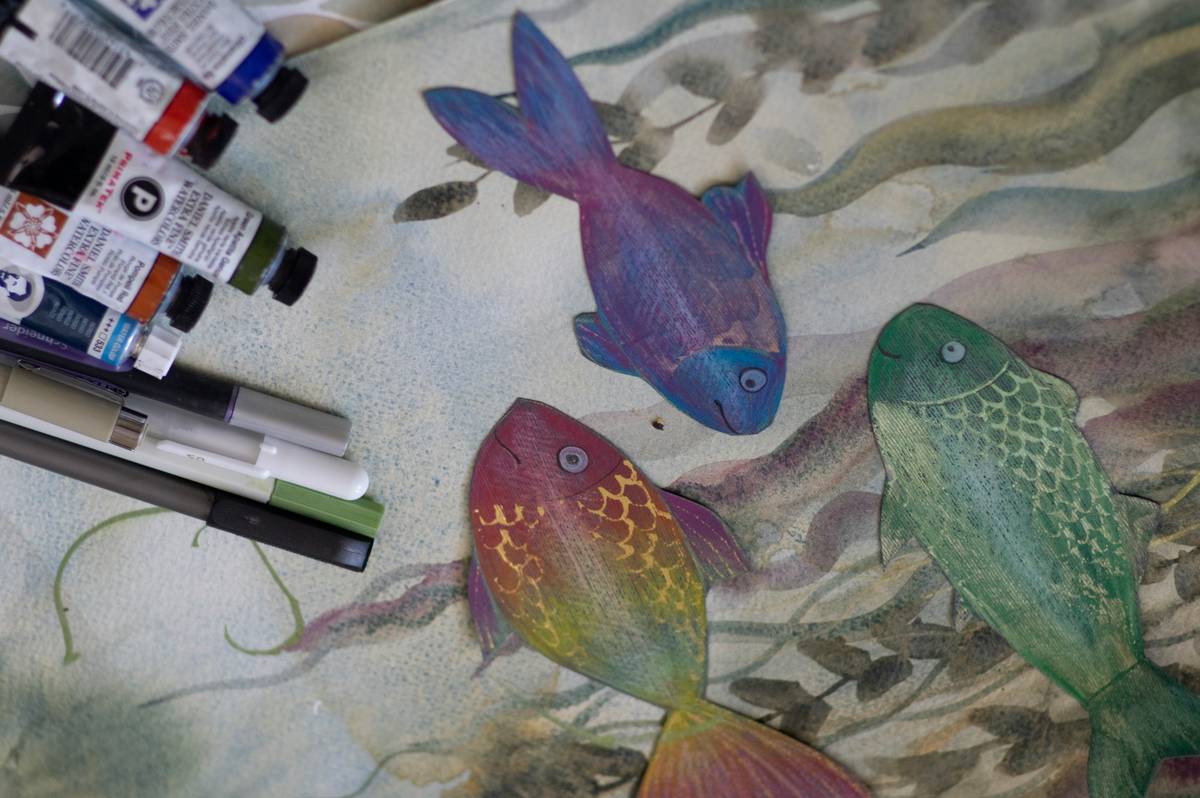
Ever hung a “fish still life wall art” piece only to watch it clash with your coastal living room in under 48 hours? I did — twice. First, I bought an oversaturated, mass-print canvas labeled “nautical still life” (no fish in sight). Second, I sourced a hand-painted gouache from an unverified Etsy seller… only to realize the “gold leaf” was metallic Sharpie glitter. My dining room wasn’t elevated — it looked like a craft fair gone rogue. If you’re decorating your home with intention—not just filling empty walls—you need more than pretty pictures. You need pieces that reflect craftsmanship, calm, and quiet confidence. This guide cuts through decor noise with practical, experience-tested advice for choosing, styling, and trusting fish still life wall art as meaningful home decor.
Table of Contents
- Why Fish Still Life Wall Art Matters in Thoughtful Home Improvement
- How to Choose & Install Fish Still Life Wall Art: A Step-by-Step Guide
- 5 Essential Tips for Styling Fish Still Life Wall Art Like a Pro
- Real Results: How One Client Transformed Their Entryway in 3 Weeks
- Frequently Asked Questions About Fish Still Life Wall Art
Why Fish Still Life Wall Art Matters in Thoughtful Home Improvement
In home improvement, “decor” isn’t decoration—it’s infrastructure for emotion. A well-placed still life painting doesn’t just occupy wall space; it anchors a room’s rhythm. Fish motifs, in particular, carry centuries of layered symbolism: abundance in Dutch Golden Age paintings, fluidity in Japanese surimono, and serenity in modern Scandinavian minimalism. According to the Metropolitan Museum of Art’s online collection database, over 1,200 historical still lifes featuring aquatic subjects are cataloged—proving this isn’t a passing trend but a time-tested visual language for grounded elegance.
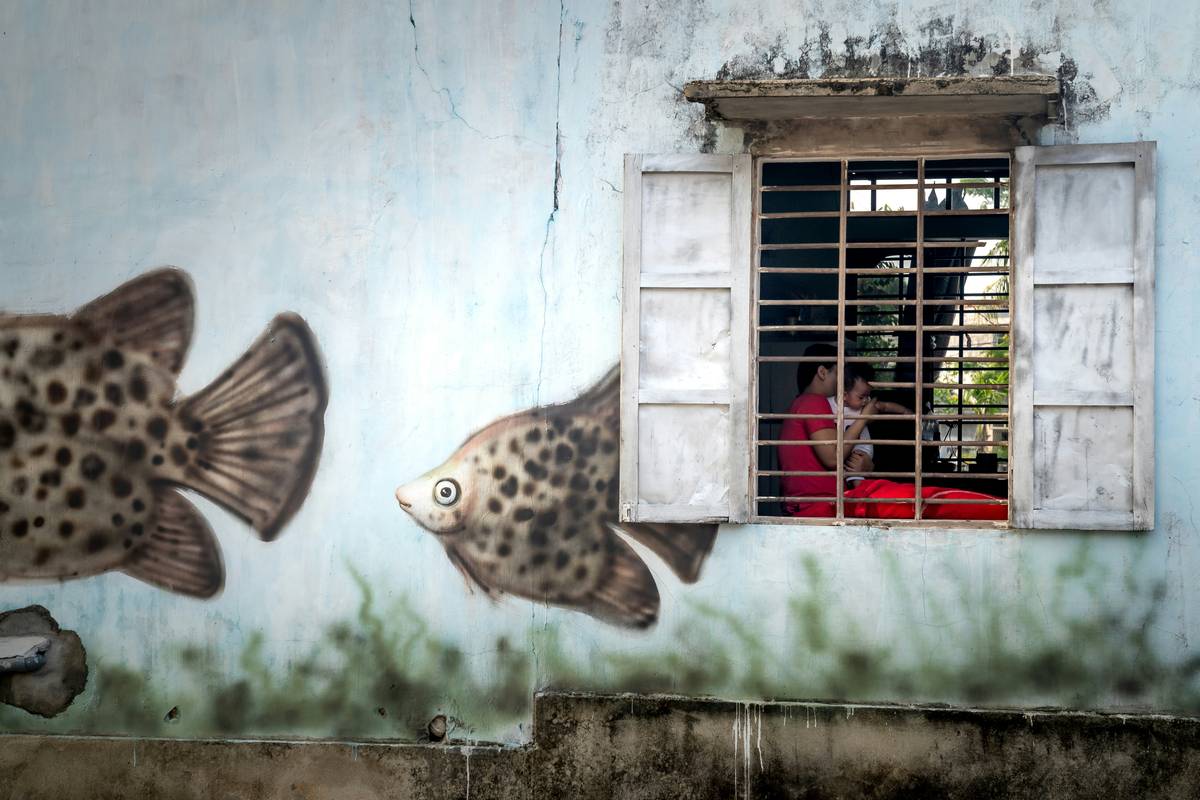
Yet today’s market floods feeds with low-res digital files passed off as “handmade,” cheap laminates that yellow in direct sun, and culturally tone-deaf reinterpretations (looking at you, neon sushi still life on black velvet). That’s why discernment matters—not as pretension, but as self-respect. Your walls shouldn’t whisper “I rushed.” They should say, “This took thought. This belongs.”
How to Choose & Install Fish Still Life Wall Art: A Step-by-Step Guide
Step 1: Verify the Medium & Origin
Ask for provenance before buying: Is it original oil, archival pigment print, or acrylic transfer? Original works (even small studies) command longevity—and resale value. Prints are fine if they’re giclée on cotton rag paper, not glossy photo paper. If purchasing online, request studio shots under natural light—not just white-background product photos.
Step 2: Assess Scale Against Wall & Furniture
Measure your wall *and* the largest nearby furniture piece. As interior designer Sarah Susanka notes in The Not So Big House, art should span 50–75% of the width of the furniture beneath it. A 24″ x 36″ fish still life wall art piece feels right above a 48″ console—but dwarfed above a 72″ sideboard.
Step 3: Test Color Harmony, Not Matching
Don’t match the fish’s silver tones to your lamp base. Instead, pull one hue from the painting (e.g., the slate-blue shadow under the tail) and echo it subtly—in a throw pillow, frame matte, or curtain trim. Harmony > duplication.
Step 4: Hang at Eye Level—Then Adjust for Context
Standard eye-level is 57–60 inches from floor to center of frame. But in a hallway? Raise it slightly (62″) so it reads while walking. In a reading nook? Lower it (54″) so it calms the gaze when seated.
5 Essential Tips for Styling Fish Still Life Wall Art Like a Pro
- Rotate seasonally—Swap a cool-toned winter fish study for a warmer, amber-hued summer composition. It costs nothing, signals care, and avoids decor fatigue.
- Frame intentionally: Thin black metal for modern spaces; reclaimed wood for farmhouse; antique brass for traditional. Never skip framing unless it’s museum-grade acrylic with UV coating.
- Avoid the “terrible tip” trap: Don’t hang multiple fish still life wall art prints in a grid “for impact.” Clustering aquatic themes creates visual noise—not depth. One strong focal point beats three timid copies.
- Add tactile contrast: Pair your painting with raw ceramic vases, woven jute baskets, or linen-textured pillows. Still life lives in stillness—so counterbalance with texture that invites touch.
- Light it right: Use a 2700K–3000K adjustable picture light. Avoid overhead can lights—they flatten dimension and cast glare on varnish.
And my biggest pet peeve? Pretending “curated” means “expensive.” I’ve seen $18 vintage fish lithographs from 1940s Swedish design houses outshine $1,200 algorithm-generated NFT prints every single time. Curation isn’t cost—it’s consciousness.
Real Results: How One Client Transformed Their Entryway in 3 Weeks
Maya, a Portland-based architect, reached out after her entryway felt “cold and transactional”—more like a hotel lobby than a home welcome. She had neutral walls, white oak floors, and zero artwork. We selected a single 20″ x 24″ original watercolor by a Pacific Northwest artist: three kelp-green rockfish resting on river-smooth basalt, painted with visible brushstroke texture. Mounted in a thin, oiled walnut floater frame and lit with a warm, focused LED, the piece became the emotional anchor. Within days, visitors started commenting on how “calm” the space felt. Her follow-up note read: “It doesn’t shout. But it holds space—like a good host.” Interior design isn’t about volume. It’s about resonance.
Frequently Asked Questions About Fish Still Life Wall Art
- What’s the best orientation for fish still life wall art?
- Horizontal compositions dominate most walls—especially over consoles or sofas—because they reinforce room width. But vertical fish arrangements (e.g., stacked herring in a glass jar) work beautifully in narrow hallways or beside tall windows.
- Are fish-themed paintings considered feng shui appropriate?
- Yes—when executed with balance. According to the Feng Shui Society, water elements (including aquatic imagery) symbolize flow and prosperity, especially when placed in the North (career) or Southeast (wealth) sectors. Avoid chaotic or aggressive depictions—opt for serene, centered compositions.
- Can fish still life wall art fit in non-coastal interiors?
- Absolutely. Remove the cliché by choosing restrained palettes (ochre + charcoal, not navy + coral) and abstracted forms. A monochrome ink sketch of two sole fish on rice paper feels equally at home in a Tokyo loft or a Berlin apartment.
- How do I clean and preserve my fish still life wall art long-term?
- Dust gently with a microfiber cloth. Never use sprays or solvents. Keep away from humidity (>60%) and direct UV exposure—those degrade pigments faster than you’d think. For archival guidance, the Library of Congress Conservation Division offers free, science-backed resources.
- Where can I learn more about the history of still life painting?
- The Metropolitan Museum of Art’s Timeline of Art History provides clear, image-rich entries on Dutch, Spanish, and American still life traditions—including deep dives into marine motifs.
Whether you’re refreshing a rental wall or building a legacy collection, remember: great fish still life wall art doesn’t shout “look at me.” It whispers, “breathe here.” And when it does, you’ll know it was worth the wait—and the care.
Ready to find your perfect piece? Contact us for personalized curation help. Learn more about our process and values on our About Us page—and rest assured your data privacy is held to the highest standard, detailed in our Privacy Policy.